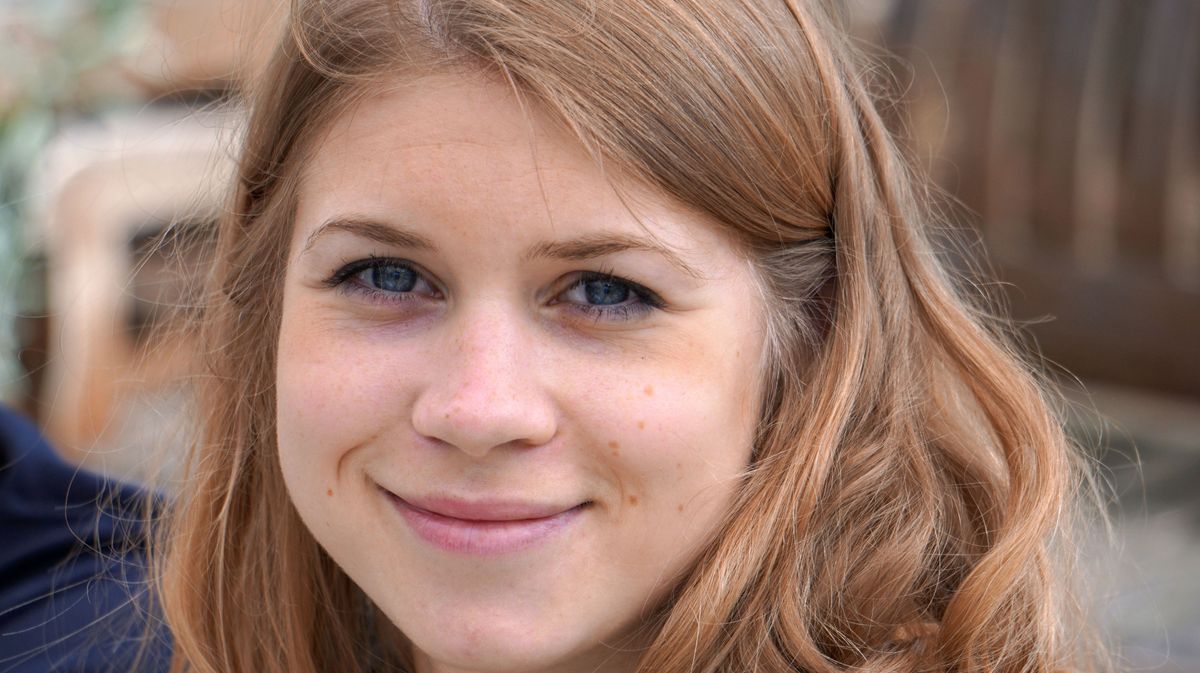
Dr Gillian Fairfield's review of the UK's biggest police force predicts further scandals in the future if it does not change its culture in the wake of the murder of Sarah Everard
Britain's biggest police force remains institutionally racist, misogynistic and homophobic, three years after a landmark report came to the same conclusion, a new review has found.
Article continues below
Prince William departs Downing Street after meeting with PM
Dr Gillian Fairfield said she was left "shocked and upset" by some aspects of her investigation into the culture at the Metropolitan Police.
Dr Fairfield spent nearly a year examining the progress the force has made implementing recommendations made by Baroness Louise Casey's 2023 report commissioned in the wake of Sarah Everard's murder.
Article continues below
The 389-page Fairfield Review, published on Wednesday, stated: "The Casey Review found the Met was institutionally racist, misogynistic and homophobic. Our role has been to assess the Met's progress in addressing this; we judge these fundamental, systemic issues remain."
Dr Fairfield said the force had displayed "some of the best policing and some of the worst" while it continued to let down victims of crime.
And she predicted the organisation would face further scandals in the future if the culture did not change.
To see more of the stories you love from The Mirror and to find them easily in Google then make us your preferred source. Free and easy-to-do, just click on the link here to find more from The Mirror at the top of your feed.
Article continues below
'The Met struggles to acknowledge racism'
While the force had made some progress dealing with racism, the report said: "The Met still struggles to acknowledge racism as a structural problem rather than something people can be trained out of.
"As with other difficult subjects it is too often managed as a reputational threat rather than an opportunity for learning."
Article continues below
Dr Fairfield told journalists: "The Met struggles to acknowledge racism. But if it can't name it, it can't face it. If it can't face it, it can't sort it out."
Responding to the report, Met Commissioner Sir Mark Rowley continued to refuse to accept that the force was institutionally racist, misogynistic and homophobic.
Article continues below
Dr Fairfield said she would not advise Sir Mark on the issue, but added: "There are examples of other forces agreeing there was institutional racism."
She told reporters that she hoped the commissioner would "not be defensive", adding: "What really matters, I think, is Londoners want change."
Article continues below
Mayor of London Lord Sadiq Khan said, in remarks aimed at the commissioner, that there should be "no spin or cherry-picking of this review".
He added: "The commissioner and his senior team need to reflect on her findings with humility and reflection, not hubris.
Article continues below
"It is simply not possible to change the culture of the Met if the existence of institutional racism, institutional misogyny and institutional homophobia continues to be denied, underplayed or tiptoed around."
Article continues below
'I have zero confidence'
The Casey Review found the Met framed failings as being in the past, blamed misconduct on individual "bad apples" and overestimated the progress it had made.
The Fairfield Review concludes: "We have found none of these behaviours have changed sufficiently. Neither has the Met's institutional defensiveness."
Article continues below
It found that only scrutiny the Met "really fears is from the media" and that the organisation needed to change its mindset.
The review said: "Its first thoughts on scrutiny should be how to fix what needs fixing, not how the media will react."
Article continues below
The Met had not made "good" progress in relation to any of 14 recommendations made by Baroness Casey, the review concluded.
The increased recruitment and promotion for female officers was highlighted, but many women in the force remain unconvinced enough has been done.
Article continues below
One woman officers was quoted in the report as saying: "There's real predatory behaviour towards younger women and new recruits. They need to understand they are prey."
Another cop told the report: "I have zero confidence that anything is going to happen when reporting misconduct".
Article continues below
And a professional working in a police building told the review that officers "hate London", while one referred to a particular borough as "a sh**hole".
Article continues below
Met Police says 'standards are higher'
Trust among the LGBT community, damaged by catastrophic failings in the case of serial killer Stephen Port, has not improved, the report said.
Dr Fairfield said she had been "shocked and upset" at the number of LGBT+ people who would not want to report crimes to the police.
Article continues below
The review found the Met remains dependent on a small group of executives who face little independent challenge from within the organisation.
Several officers faced misconduct proceedings after a Panorama reporter went undercover in Charing Cross Police Station, and the report said "some of these behaviours and concerns were not confined to Charing Cross".
Article continues below
The Metropolitan Police accepted the report's recommendations, with Sir Mark saying it recognised the "scale and pace of change" since the Casey report.
"Standards are higher, performance is stronger, violence is down, criminal justice outcomes for victims of sexual violence are amongst the highest nationally, and London is safer," he said.
Article continues below
Sir Mark accepted that "eliminating discrimination in all we do starts with listening and requires sustained commitment and structural change".
"The progress we have made is a credit to the professionalism, resilience and determination of our officers and staff," Sir Mark said.
Article continues below
"They have delivered extraordinary change while continuing to protect London through rising demand, significant financial pressures, unavoidable workforce reductions and a criminal justice crisis.
"I know this report will only further their determination to deliver the continued change Londoners seek and deserve."
Article continues below
Sarah, 33, was kidnapped, raped and killed by serving PC Wayne Couzens who tricked her into thinking she could be arrested for breaking Covid lockdown rules as she walked home from a friend’s house in Clapham on March 3, 2021.
Couzens’ arrest led to the unmasking of serial rapist David Carrick, who worked in the same armed unit, and scores of other predators in uniform.