It’s been two years sinceKendrick Lamar came out with his diss “Euphoria” against Drake, where he rapped, “ I hate the way that you walk, the way that you talk, I hate the way that you dress,” and made many of us realize we weren’t hating to our full potential.
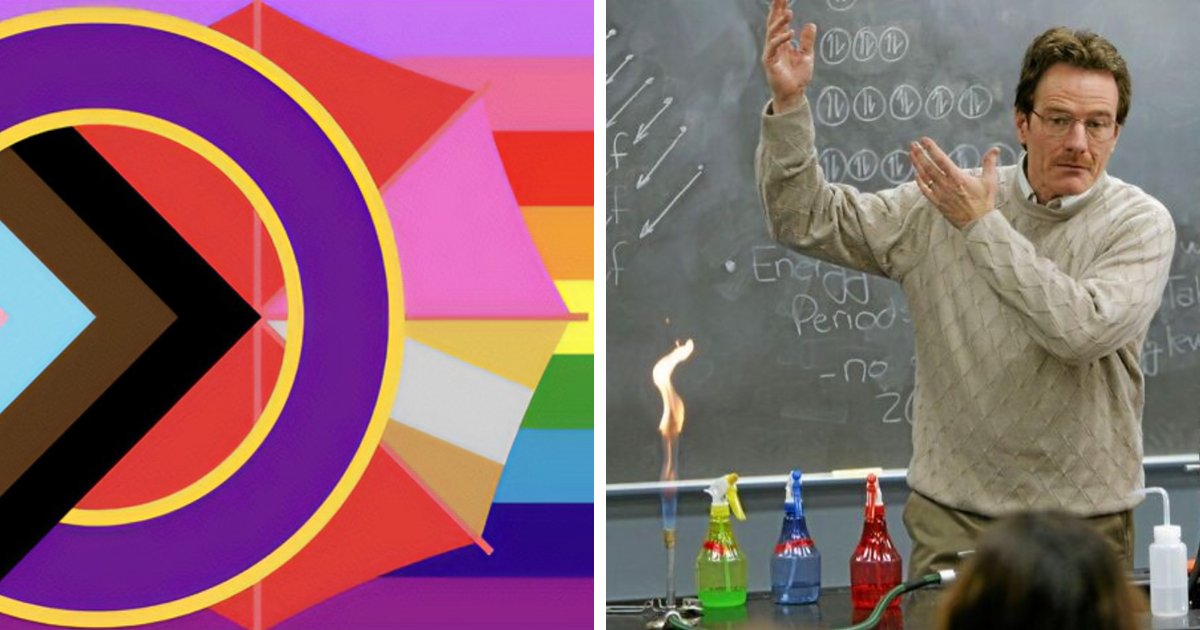
One online group is dedicated to people venting about the things that annoy them most — r/HateThisSmug. “Your safe space to hate anything made by someone,” its bio reads. From hate for casual, everyday annoyances like websites that don’t let you browse until you sign in, to more serious ones like updated Pride flags or how people got into the habit of diagnosing others and characters with mental disorders all willy-nilly, there’s a lot of stuff people dislike and are tired of keeping quiet about.
More info: Reddit
RELATED:
We tend to think of “hating” as a mostly negative thing, but a 2006 study showed that it actually helps us build social bonds. If you’ve ever gossiped about a mutual acquaintance with somebody, you might’ve noticed that it immediately made you feel closer to that person.
In their study, the researchers found that people were more likely to share negative than positive attitudes toward other people. When the participants talked to strangers about a person they both disliked, they reported liking that stranger more. Apparently, it’s because hating the same thing makes us feel like part of the group and boosts our self-esteem.
Are communities like r/HateThisSmug actually helpful, or do they only give space for people to be toxic and hate on things unnecessarily? Some would argue that people naturally need to vent and express their dissatisfaction and that holding in that hatred or annoyance is unhealthy.
However, research suggests something different. When it comes to anger, expressing it doesn’t make it go away. In fact, it can actually lead us to do it more often, become more violent, and condition us to think that venting in such ways is okay.
Brad Bushman, a professor of communication at The Ohio State University, says that when we’re angry, venting is the worst thing we can do. According to him, we’re only “adding more fuel to the fire.”
Hatred doesn’t come from nowhere; it usually stems from feelings of unfairness, powerlessness, and mistreatment. According to psychotherapist Stephanie Carnes, PhD, LCSW, true hatred is more visceral and destructive than simply saying something like “I hate broccoli.” “Hate is a profoundly intense and enduring dislike for someone or something,” she explained to Everyday Health.
Anger and hatred are not the same. According to the authors of a 2018 study, anger and revenge stem from wanting to change something about a situation or a person's behavior. Hate, on the other hand, doesn’t have that corrective desire. “Hate has the goal to eliminate its target,” the researchers write.
Hate is a natural human emotion, and experts say that we should allow ourselves to feel our feelings. However, just like with anger, too much hate can become unhealthy, especially if it’s self-hate, systemic hate, bullying, etc. “Unlike some emotions that can become catalysts for motivation or empowerment, hate is a heavy, burdensome emotion that can become toxic,” Carnes added for Everyday Health.
When we talk about “being a hater,” we usually mean more casual, less destructive forms of hate. Examples usually include hate-watching TV shows, participating in snark subreddits, and roasting people in comment sections. We would usually refer to such behavior as petty, but many of us still do it. Why? Because ultimately, whether we want to admit it or not, it makes us feel good.
The “love to hate” phenomenon is a biological response. As JR Ilagan, a clinical psychologist based in Manila, told VICE, hate is a strong emotional response. Sometimes we like to spice up our lives with these kinds of strong emotional responses in the absence of a real threat — similar to why we like to watch horror movies.
The act of hate-watching makes our brains release neurotransmitters like serotonin, dopamine and oxytocin, the “happiness hormone.” “You could almost say that it could be addicting to experience these again because it feels good on an emotional level,” Ilagan explained.
We also hate-watch because it makes us feel part of a community, even if we’re engaging with other people in comment sections online or watching short opinion pieces on TikTok. “Often we hate-watch stories as part of a group, even if it is an online community where we can all align on disliking the same person or show. This is an easy way to feel aligned with others around us,” Dr. Charlynn Ruan, founder and CEO of Thrive Psychology Group, explained to VeryWell Mind.
So, should you be worried you’re too much of a hater? If you’re doing it every day, then probably yes. Experts say that hate-watching something every evening is not exactly healthy. On the other hand, watching the newest season of Love Island and then gossiping about how ridiculous it all is with your bestie the next day is totally normal.
What do you hate the most, Pandas? Unleash your inner hater in the comments and let us know what annoys and frustrates you the most at the moment. And if you need a pick-me-up after all the hate vibes, check out some uplifting pics from “Wholesome Meets the Internet”.