Nearly four million people in the UK were unable to afford basic necessities such as food, shelter and hygiene last year, according to a new report by the Joseph Rowntree Foundation
Around 3.8 million people — including almost one million children — experienced destitution in the UK last year.
Article continues below
Brent: Grandfather of pupils discusses knife attack at school
The record number of people were unable to afford basic necessities such as food, shelter and hygiene products in 2025, according to the latest Destitution in the UK report by the Joseph Rowntree Foundation (JRF). The figures have remained at the same levels since 2022, when the number of people affected had grown by almost two-and-a-half times since 2017.
Article continues below
The report warns that exceptionally high levels of destitution risk becoming the norm for many people. Those affected are increasingly reliant on emergency support services, such as food banks, to meet their basic needs over the longer term, rather than using them only for short-term crisis support.
Article continues below
You can check the levels of destitution in your local area by using our interactive map:
To see more of the stories you love from The Mirror and find them easily on Google, make us your preferred source. It's free and easy to do - just click here to find more from The Mirror at the top of your feed.
Get local updates to your inbox!
You can sign up for more news from your postcode from In Your Area.
By signing up, you agree to the Terms of Service and How we use your data. InYourArea and Reach plc will use your sign-up to email content, improve understanding of you and serve you via other consented channels. These may include adverts from us and 3rd parties based on our understanding. You can unsubscribe at any time.
Article continues below
We use your sign-up to provide content in ways you've consented to and improve our understanding of you. This may include adverts from us and third parties based on our knowledge of you. More info
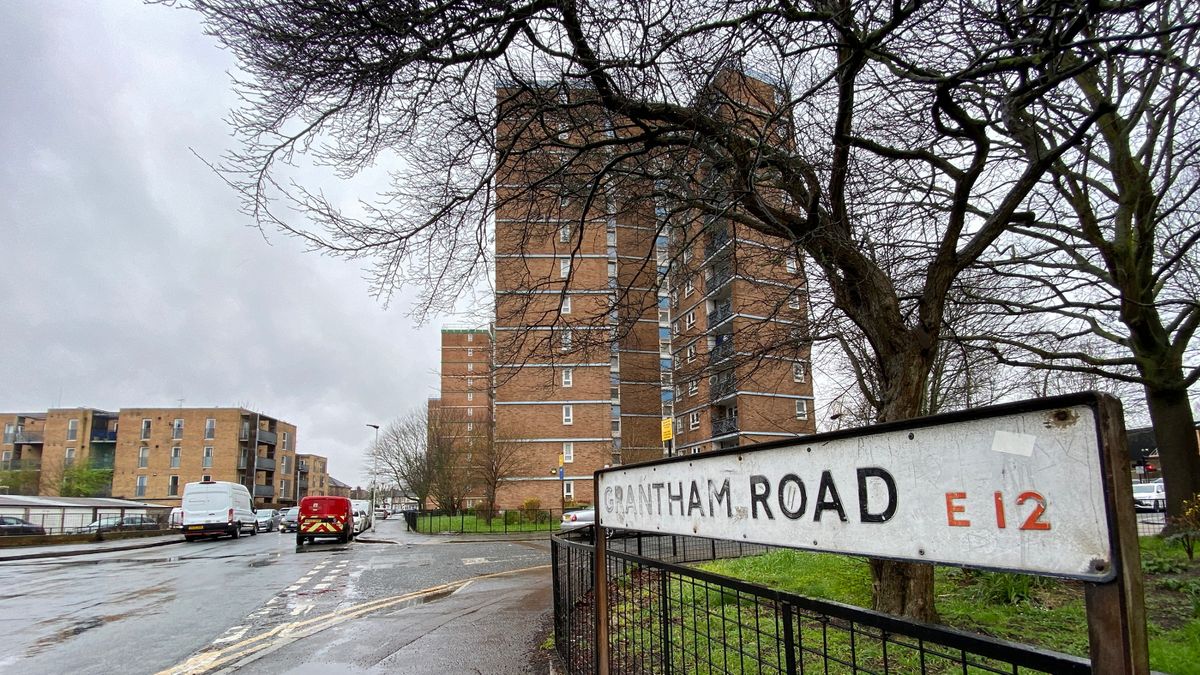
London dominates the list of places experiencing destitution last year. The borough of Newham topped the list, with 3.10% of households experiencing destitution.
This was followed by Westminster (3.03%), Manchester (2.62%), Tower Hamlets (2.43%), Hounslow (2.41%), Southwark (2.39%) and Camden (2.38%).
Article continues below
Some groups are particularly likely to experience destitution, including single working-age adults, disabled people, people from minority ethnic communities and migrants.
The JRF publishes its Destitution in the UK report every three years. A person is considered to have experienced destitution if they have lacked two or more of six necessities over the past month because they cannot afford them:
Article continues below
Shelter (having slept rough for one or more nights)Food (having had fewer than two meals a day for two or more days)Heating their home (having been unable to do so for five or more days during the month)Lighting their home (having been unable to do so for five or more days during the month)Clothing and footwear (appropriate for weather)Basic toiletries (soap, shampoo, toothpaste and a toothbrush)
People are also considered to have experienced destitution if their income is so low that they cannot afford these necessities. Almost two-thirds (61%) of households experiencing destitution had gone without food.
Article continues below
Half (50%) had gone without clothing, while 49% had lacked toiletries. Just under half (45%) had been without heating, a quarter (26%) had been without lighting and one in six (17%) had slept rough.
Article continues below
The JRF is calling on the Government to take urgent action to tackle the underlying causes of destitution and ensure everyone can access the support they need.
This includes introducing an Essentials Guarantee through Universal Credit to ensure people can afford basic necessities and ensure that everyone who needs it has access to emergency financial assistance. The JRF also says that the government must reject policies that push migrants into destitution.
Article continues below
Julian Hartley, group chief executive of the JRF, said: "With living standards stagnating across the board, there is a risk of forgetting about those experiencing the very deepest forms of hardship.
"But today’s figures show that far too many people are going without life’s most basic necessities, while support services are buckling under the weight of need.
Article continues below
"Without action, we risk destitution becoming the norm for millions in the UK. Behind these stark figures are real people who don’t have what they need to survive - food, shelter, basic toiletries and clothing.
Article continues below
"It’s absolutely right that the government is taking steps to end rough sleeping. But sadly, this is just the tip of the iceberg, with many experiencing destitution away from view.
"Without action, there is a serious risk of the destitution crisis becoming entrenched. We need to tackle the drivers of extreme hardship and ensure that everyone has access to the support they need when they need it."
Article continues below
Professor Suzanne Fitzpatrick, from the Institute for Social Policy, Housing, Equalities Research at Heriot-Watt University, said: "These findings expose a deeply troubling reality. The extraordinary levels of destitution recorded following the price shocks of 2022 have not receded, with approximately 3.8 million people, including almost one million children, experiencing this most extreme form of hardship in 2025.
"What is particularly disturbing is the evidence that destitution is becoming a more persistent experience, with people repeatedly needing crisis support simply to meet their basic needs.
Article continues below
"We are no longer looking at a temporary spike in hardship. Millions of people remain unable to afford the basic necessities needed to live and there is something profoundly wrong when that becomes an enduring feature of life for so many in the UK."