Home
How To
Shopping
Product Reviews
We tested 16 store-bought pie crusts, from refrigerated roll-out doughs to frozen shells, to find the best ones worth keeping on hand for your next pie.
Price and stock could change after publish date, and we may make money off these affiliate links. Learn more.
Updated on November 23, 2026
Taylor Murray
Tested by Taylor Murray
Making pie at home is a labor of love. While nothing beats a handmade pie crust, it's not always in the cards when you're already busy prepping an entire holiday meal. Thankfully, grocery stores are filled with great, pre-made options. Refrigerated dough gives you room to add your own crimp or lattice, while frozen shells come shaped and ready for filling.
That said, convenience only goes so far if the crust turns out tough, tastes bland or collapses when you lift a slice. A good pie crust should be easy to work with and still taste great. Can any replicate the flavor and texture of a homemade pie? We tested 16 store-bought pie crusts to find out.
Also in This Article
How We Tested
What to Look for When Buying a Store-Bought Pie Crust
Frequently Asked Questions
Other Store-Bought Pie Crusts We Tested
Why You Should Trust Our Tester
Taylor Murray
How We Tested
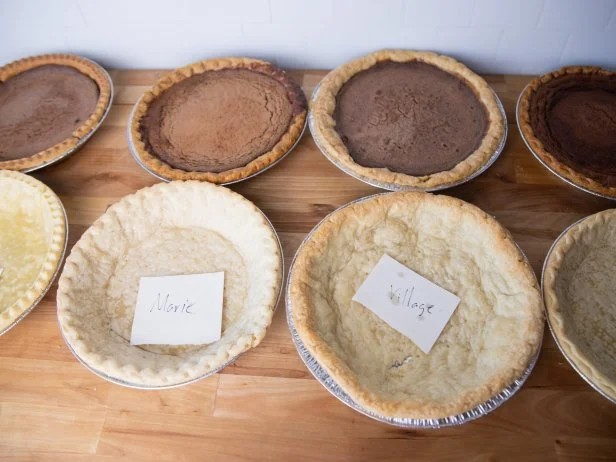
We tested 16 store-bought pie crusts, including frozen pre-formed shells and refrigerated roll-out doughs, with options ranging from supermarket staples to organic, gluten-free and whole-wheat varieties. Before baking, we reviewed each product's ingredients, package size and preparation instructions, then used the same chocolate chess pie recipe in each. If the package came with two crusts, we blind-baked one empty of filling, following the instructions on the label.
Preparation and Handling: We started testing by evaluating how easily each crust came out of its packaging and how much preparation it required. For refrigerated doughs, we looked for any sticking, tearing and cracking during unrolling, along with how easily the dough fit into the pie plate and could be trimmed and crimped. For frozen shells, we checked for damage and cracking.
Appearance and Browning: After baking, we looked for golden, even browning across the edges and bottom, noting pale spots, scorching, bubbling and shrinkage. We also checked whether the sides and crimped edges held their shape.
Texture and Aroma: We tasted the exposed edges and bottom crust separately, assessing tenderness, crispness and flakiness. We noted any tough, gummy, sandy or overly crumbly textures, along with any off-putting aromas.
Flavor and Seasoning: We tasted each crust with and without filling to assess its richness, balance of salt and sweetness. We looked for a pleasant pastry flavor and noted any blandness or lingering aftertastes.
Structure and Filling: Once the pies cooled, we evaluated how neatly they sliced and how easily the slices lifted from their pans. We checked whether the crust supported the chocolate filling, whether the bottom became soggy and whether the edges crumbled during serving.
What to Look for When Buying a Store-Bought Pie Crust
Type: Refrigerated crusts are convenient when you're planning to bake soon, while frozen crusts are useful to keep on hand for future pies. Check the package for storage and preparation instructions: Some frozen shells can be filled straight from the freezer, while others need time to thaw. Refrigerated dough usually needs a brief rest at room temperature so it can unroll without cracking.
Format: Before testing, we expected rolled dough to taste at least as good as pre-formed shells, if not better. Instead, most of our favorites came already shaped in tins. Rolled dough needs enough strength and flexibility to survive unrolling, fitting and crimping at home. Pre-formed shells require little handling beyond filling, allowing for a more delicate crust with fewer artificial ingredients. In our tests, several pre-formed shells delivered exceptionally tender textures and better flavor than their refrigerated counterparts. Rolled dough still offers more freedom to use your own pie plate and create decorative edges or lattice tops.
Ease of Use: Consider how much preparation you want to do. A pre-formed shell eliminates rolling and shaping, but it may still require thawing, patching or blind baking-baking the crust before adding filling. Read the directions before starting, and check whether you'll need a pie plate, baking sheet or pie weights. In our testing, ease of handling also mattered at serving time: Some tender crusts needed extra care, while sturdier options lifted neatly out of their pans.
Pie Recipe: Match the crust to your filling and baking method. A chocolate cream pie needs a fully baked shell before filling, while other recipes call for a partially baked or unbaked crust. Follow the recipe alongside the crust's package directions. Flavor matters, too: A mildly sweet crust can complement dessert, while a more savory or whole-wheat option may suit quiche or pot pie. For wet fillings, pay particular attention to how well the bottom crust bakes, as several crusts in our test softened beneath the chocolate filling.
Ingredients and Dietary Needs: The fat affects both flavor and dietary suitability. Some crusts contain butter, others use lard or vegetable shortening, and some combine fats. A buttery taste doesn't necessarily mean a crust contains butter: Our overall winner uses palm fruit shortening. Check labels for gluten-free or vegan claims when needed, and remember that gluten-free crusts can still contain milk and eggs.
Taylor Murray
Frequently Asked Questions
Is store-bought pie crust as good as homemade?
The best options come close, especially when paired with a good filling. In our testing, The Village PieMaker crust delivered distinct flaky layers reminiscent of homemade pastry, while Wholly Wholesome's traditional shells stood out for their rich flavor and tenderness. Others tasted more like crackers or had noticeable aftertastes. Homemade dough gives you control over the ingredients, thickness and seasoning, but a well-chosen store-bought crust can save considerable work.
Should you thaw frozen pie crust before baking?
Check the package instructions rather than assuming every frozen crust needs thawing. Some pre-formed shells can be filled and baked straight from the freezer, while others need a short thaw.
Do you need to blind-bake store-bought pie crust?
It depends on the filling. Blind baking means baking the crust before adding filling. Pies with fillings that won't go in the oven at all, such as chocolate pudding or banana cream, need a fully baked shell. Some custard pies need a partially baked crust, while others start with raw dough.
How do you keep store-bought pie crust from getting soggy?
When your recipe calls for blind baking, give the bottom enough time to dry and color before adding filling. If you're using pie weights, remove them for the final portion of the blind bake so the bottom can finish cooking. Baking a filled pie on a preheated metal baking sheet or baking stone can help the base to cook. Several crusts in our test softened beneath the chocolate filling, so bottom-crust performance is worth considering when choosing a brand.
How can you make store-bought pie crust taste better?
Start with a crust you enjoy on its own so you don't have to work so hard to disguise strong artificial flavors. For a sweet pie, a light egg wash and a sprinkle of coarse sugar on the exposed edge or top crust can add color and crunch. Baking the crust thoroughly also develops a toasted flavor.
Can you use store-bought pie crust for a double-crust pie?
Yes. Refrigerated rolled dough is particularly convenient: Use one round to line the plate and another for the top, then seal the edges and cut vents to let steam escape. You can also cut the second round into lattice strips. Some frozen-shell brands provide instructions for using a second shell as a top crust, but it requires more careful handling. Check that you have enough dough to cover the filling and seal the edges without stretching it.
Taylor Murray
Other Store-Bought Pie Crusts We Tested
Pillsbury Premade Refrigerated Pie Crusts were easy to handle and browned beautifully, but their artificial, oily flavor put them behind our refrigerated winner, Kroger.
Sweet Loren's Pie Crust had a delicate, surprisingly buttery flavor, but the exposed edges became cracker-like while the bottom softened and cracked, allowing filling to leak and stick to the pan.
Food Club Pie Crusts unrolled easily and browned evenly, but their mealy texture, slight artificial flavor and leaking bottom kept them from earning a recommendation.
Kroger Ready-to-Bake Deep Dish Pie Crust offered convenient pre-formed shells, but its pronounced artificial flavor fell well short of the brand's winning refrigerated dough.
Taylor Murray
Taylor Murray is a graduate of Johnson and Wales University with a degree in Culinary Nutrition. She worked as a professional chef for over 10 years before moving into recipe and product testing and development. She has tested several hundred products for Food Network and other brands over the past six years, covering everything from carbon steel pans to food dehydrators.
Food Network Shopping Experts believe the best method for testing products is based on how our fans are going to use them in the real world. In each of our Tested and Reviewed stories, products are tested in real home kitchens that reflect real-world use cases. Our testers follow rigorous testing rubrics designed by our expert editors and take copious notes during the testing process. When choosing the best products, our testers evaluate all of the testing data and take into consideration many factors, including ease of use, price, product availability and practicality. The products covered on FoodNetwork.com are chosen completely independently by our editors without any outside influence. Our editors do not accept products in exchange for a positive review or promised coverage.
Subscribe to our newsletter to stay in the know on the best sales, products and more.
By entering your email address, you agree to our Terms of Use
and acknowledge the Privacy Policy.
Food Network and
its affiliates
may use your email address to provide updates, ads, and offers.
To withdraw your consent or learn more about your rights, see the
Privacy Policy.